
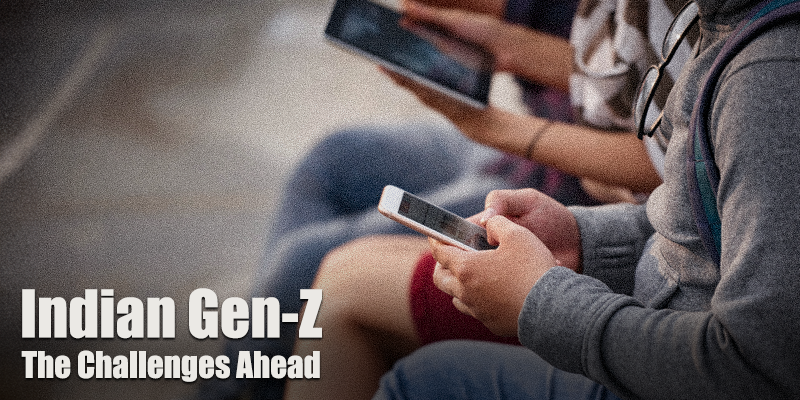
In the rapidly evolving landscape of the Indian workforce, the arrival of Gen Z (typically born between 1997 and 2012) presents a unique set of opportunities and challenges for organizations. Comprising a generation that has grown up with pervasive digital technology, social media, and global awareness, Gen Z employees bring fresh perspectives, tech-savviness, and a strong sense of purpose. However, their distinct values, expectations, and work styles also necessitate a re-evaluation of traditional management practices. Effectively integrating and retaining this demographic is becoming paramount for businesses aiming for future success in India.
One of the foremost challenges lies in managing their expectations around work-life balance and flexibility. Unlike previous generations who often prioritized long hours and a clear demarcation between work and personal life, Gen Z values integration and autonomy. They expect flexible working arrangements, whether it’s hybrid models, flexible hours, or even remote work options, as a standard, not a perk. In the Indian context, where traditional office presence and fixed hours have long been the norm, this shift can be jarring for managers. Implementing and managing these flexible policies while ensuring productivity and team cohesion becomes a complex task, requiring robust technology infrastructure and a cultural shift towards outcome-based management rather than time-based. Companies that fail to offer such flexibility risk higher attrition rates among their Gen Z employees, who are not hesitant to seek out organizations that align with their lifestyle preferences.
Another significant challenge is addressing their demand for rapid career progression and meaningful work. Gen Z has grown up in an era of instant gratification and quick information access. They are often less patient with traditional, slow-burn career ladders. They seek immediate impact, clear pathways for growth, and opportunities to contribute to something bigger than just a paycheck. For Indian organizations, this means rethinking conventional appraisal systems and promotion cycles. Managers often struggle to meet these accelerated expectations, especially in hierarchical structures where promotions are tied to tenure. The challenge lies in creating dynamic career paths, offering stretch assignments, continuous learning opportunities, and clear feedback loops that demonstrate progress. Without a visible growth trajectory and a sense of purpose in their daily tasks, Gen Z employees can quickly become disengaged and seek opportunities elsewhere.
Communication styles and feedback preferences also pose a distinct hurdle. Gen Z is digital native; they prefer concise, instant communication, often through messaging apps and collaborative platforms rather than formal emails or lengthy meetings. They crave frequent, constructive feedback – not just annual reviews – but real-time insights into their performance and areas for improvement. This contrasts sharply with traditional Indian corporate communication, which can often be more hierarchical, formal, and less frequent in its feedback mechanisms. Managers need to adapt to these preferences, becoming proficient in digital communication tools, offering micro-feedback sessions, and fostering a culture of open and transparent dialogue. The challenge is to maintain professionalism and clarity while adopting a communication style that resonates with Gen Z, avoiding misinterpretations and ensuring accountability.
Their strong emphasis on diversity, equity, and inclusion (DEI) and corporate social responsibility (CSR) is another area managers must address. Gen Z is highly socially conscious and expects their employers to reflect these values. They are not just looking for a job; they are looking for an organization whose values align with their own. This means scrutinizing a company’s stance on environmental issues, social justice, and internal DEI policies. In the Indian context, where societal norms around hierarchy and certain forms of diversity may still be evolving, managers might face pressure to ensure their workplace truly reflects these modern values. The challenge lies in moving beyond token gestures and implementing genuine, impactful DEI and CSR initiatives that Gen Z can see and participate in, fostering a truly inclusive and purpose-driven work environment.
Furthermore, managing their digital fluency and potential for distraction is a double-edged sword. While Gen Z’s tech-savviness is a huge asset, enabling them to quickly adapt to new tools and innovate, it also means they are constantly connected and susceptible to digital distractions. Managers in India often struggle with striking the right balance between leveraging their digital prowess and ensuring focused productivity. This involves setting clear expectations around device usage, designing engaging work that minimizes the urge for multi-tasking, and potentially utilizing productivity tools that help manage digital noise without stifling their creativity. The goal is to harness their tech skills while mitigating the risk of reduced attention spans and disengagement.
Finally, addressing their need for psychological safety and mental well-being is increasingly critical. Gen Z is more open about discussing mental health challenges and expects their employers to provide support systems. They are less likely to “tough it out” silently than previous generations. In India, where mental health discussions have historically been stigmatized, this shift requires a significant cultural change within organizations. Managers need training to recognize signs of stress, burnout, and mental health issues, and to be equipped with resources and empathy to support their Gen Z team members. Providing access to counseling services, promoting work-life balance, and fostering a supportive, non-judgmental environment are crucial. The challenge is to destigmatize mental health discussions within the workplace and embed robust support mechanisms that cater to the unique needs of this generation. In conclusion, while managing Gen Z in the Indian workforce presents a distinct set of challenges – from their expectations around flexibility and career progression to their communication preferences and social consciousness – these are not insurmountable. Organizations that recognize these shifts and proactively adapt their management styles, HR policies, and workplace culture will be better positioned to attract, engage, and retain this vital segment of the future workforce. By embracing their values, leveraging their digital prowess, and fostering an environment of purpose and support, Indian businesses can transform these challenges into opportunities for innovation, dynamism, and sustainable growth. The future of work in India will undoubtedly be shaped by how effectively companies navigate the unique characteristics of Gen Z